Understanding Attic Restoration in Metro Atlanta
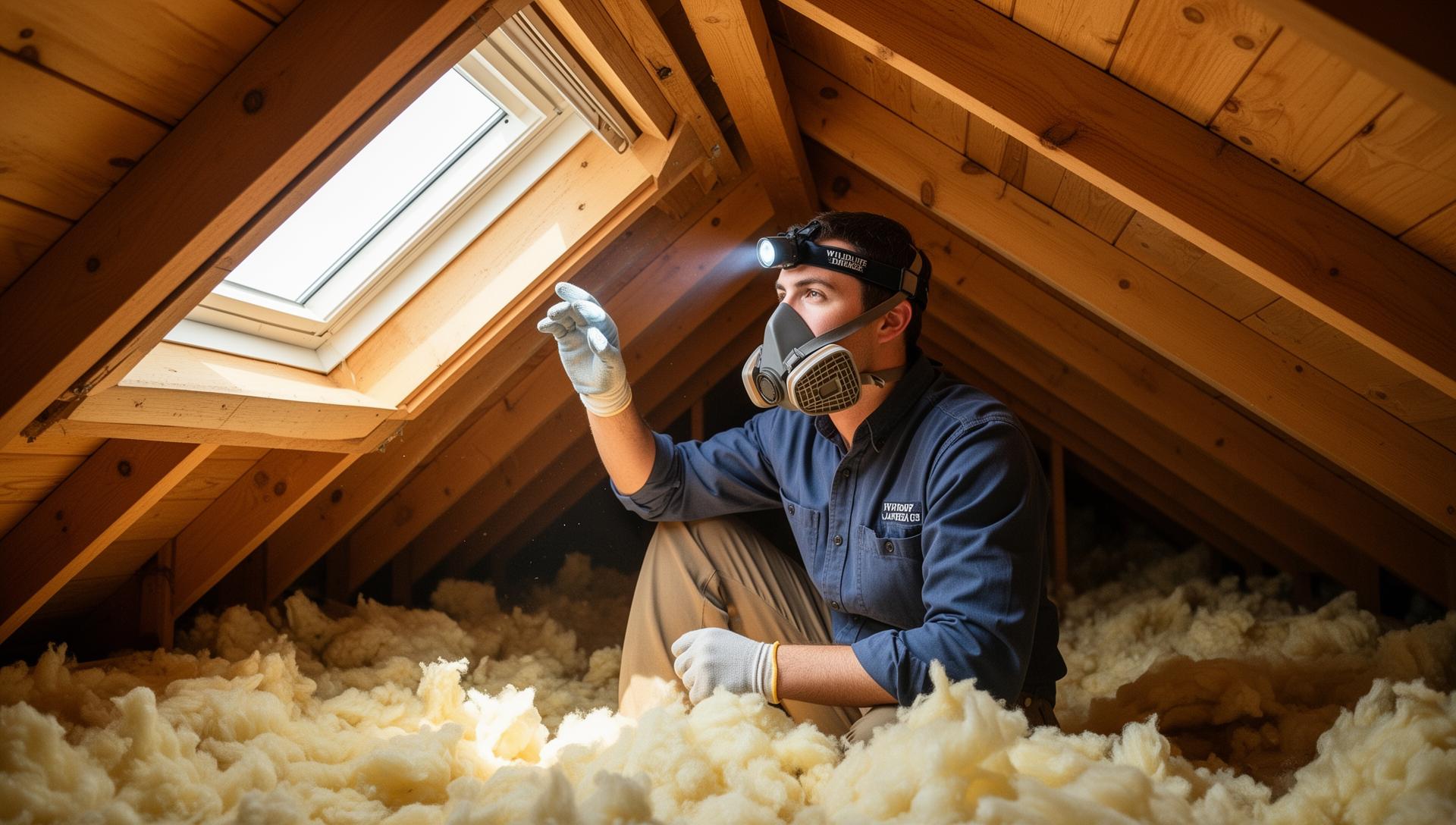
Attic restoration is the step most homeowners don't know they need — but it's arguably the most important part of any wildlife removal project. Once the animals are out and the entry points are sealed, you're still left with a contaminated attic. Insulation soaked in urine, droppings everywhere, parasites living in the material, and potentially dangerous pathogens (histoplasmosis from bat guano, roundworm from raccoon latrines, hantavirus from rodent droppings) that are circulating through your HVAC system and into your living space every time the blower kicks on.
We had a homeowner in Smyrna call us after another company removed squirrels from her attic and 'sealed the holes.' They did seal the holes — but they left the attic completely untouched. The insulation was compressed, contaminated with droppings, and full of nesting material. Her energy bills had spiked by 30%, the upstairs always smelled musty, and her kids started having respiratory issues. When we got in there, we removed every square foot of old insulation, sanitized the entire attic with hospital-grade enzymes, treated for parasites, and installed fresh blown-in insulation to R-38. Her energy bills dropped, the smell disappeared, and her kids' symptoms resolved. That's what attic restoration actually looks like.
Here's the other thing most people don't realize: your attic insulation has a lifespan even without wildlife damage. If your home is 20+ years old and you still have the original insulation, it's likely compressed, settling, and performing well below its rated R-value. Adding wildlife contamination on top of aging insulation means you're paying more to heat and cool your home while breathing compromised air. A full attic restoration isn't just cleanup — it's a home performance upgrade that typically pays for itself within 2-3 years through energy savings.
What To Do Right Now
Do This
- Have your attic inspected after any wildlife removal — even if the removal company says 'everything looks fine'
- Ask about your insulation's current R-value — if it's below R-38, you're losing energy efficiency
- Turn off your HVAC before entering a contaminated attic — the blower circulates contaminated particles throughout your home
- Request a full restoration that includes sanitization, parasite treatment, and new insulation — not just cleanup
Don't Do This
- Do NOT add new insulation over contaminated old insulation — it traps moisture, odors, and health hazards
- Do NOT attempt to clean up bat guano or raccoon droppings yourself without proper PPE (respirator, Tyvek suit, gloves)
- Do NOT ignore musty smells from the attic — they indicate contamination that's affecting your indoor air quality
- Do NOT assume your wildlife removal is complete until the attic is properly restored — the mess is still there
Is This Happening in Your Home?
Contaminated insulation from bat guano, raccoon latrines, or rodent droppings and urine
Foul odors coming from the attic that permeate into living spaces
Increased energy bills from compressed, damaged, or missing attic insulation
Visible staining on ceilings from wildlife waste seeping through
Allergies or respiratory issues worsening due to contaminated attic air entering HVAC system
Previous wildlife removal company left without cleaning up or restoring the attic
Dangers & Health Risks
Histoplasmosis
Bat guano harbors Histoplasma capsulatum fungal spores. When disturbed, these spores become airborne and cause serious respiratory illness — especially dangerous for children and elderly.
Raccoon Roundworm
Raccoon latrines contain Baylisascaris eggs that remain viable for years. These parasitic roundworm eggs can cause severe neurological damage in humans.
Hantavirus
Rodent-contaminated insulation harbors hantavirus in dried droppings and urine. Disturbing this material without proper PPE releases dangerous particles.
Energy Loss
Damaged or contaminated insulation can reduce your home's energy efficiency by 20-40%, costing hundreds of dollars annually in higher heating and cooling bills.
How We Solve Your Attic Restoration Problem
Every situation is different, but our proven process ensures a permanent solution — not a temporary fix.
Attic Contamination Assessment
We inspect the entire attic — insulation condition, contamination extent, structural damage, wiring integrity, and HVAC ductwork. We provide a detailed report with photos and a clear remediation plan.
Removal, Sanitization & Treatment
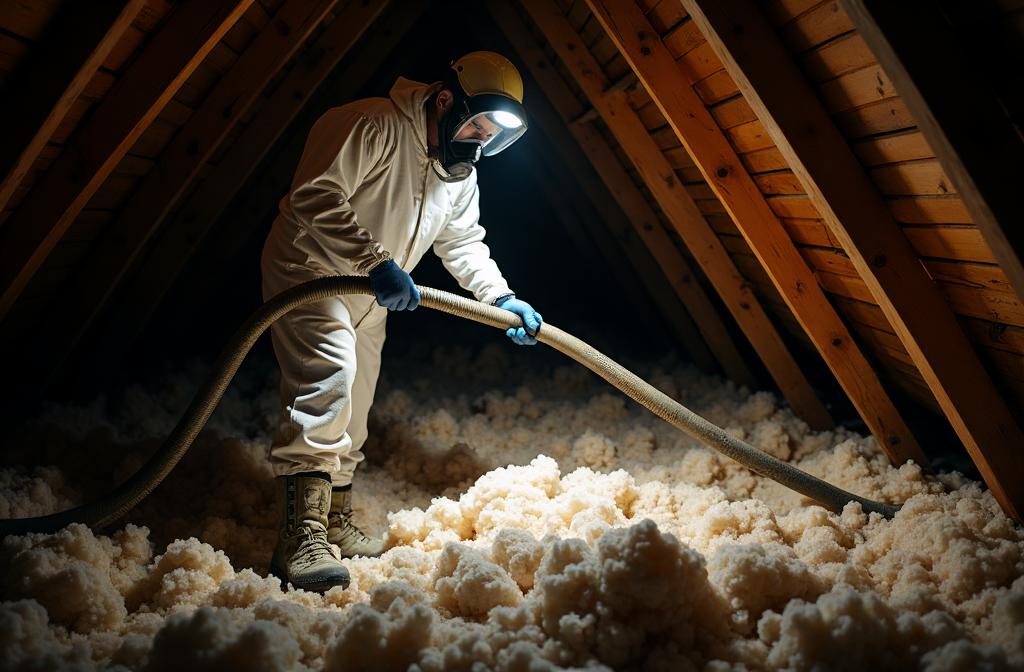
We remove all contaminated insulation using commercial vacuum equipment, sanitize every surface with hospital-grade enzyme treatments, deodorize the space, and treat for parasites (fleas, mites, bat bugs).
New Insulation & Air Sealing
We install new blown-in cellulose or fiberglass insulation to R-38 or higher, seal all air leaks (top plates, pipe penetrations, recessed lights), and ensure your attic is clean, efficient, and protected.
Common in Metro Atlanta
Georgia's hot summers and mild winters mean your attic insulation works hard year-round — and compromised insulation hits your energy bills hard. We see the most attic restoration work in Cobb, Fulton, and Gwinnett counties, where mature neighborhoods with 20-30 year old homes have both aging insulation and heavy wildlife activity. Homes in Marietta, Roswell, Kennesaw, and Smyrna are particularly common for squirrel and raccoon attic damage. Georgia's humidity also means contaminated insulation develops mold quickly, compounding health risks. The Georgia Energy Code recommends R-38 for attic insulation — most wildlife-damaged attics test well below that.
Transparent Pricing, No Surprises
Most residential attic restoration projects range from $1,000–$15,000+
Projects can range from $1,000 to over $15,000+ depending on attic size, contamination severity, insulation type (blown-in cellulose vs. fiberglass), and the extent of damage requiring remediation. Free inspection and detailed quote included.
Frequently Asked Questions
Get Your Free Attic Restoration Inspection
Get Your Free Inspection