
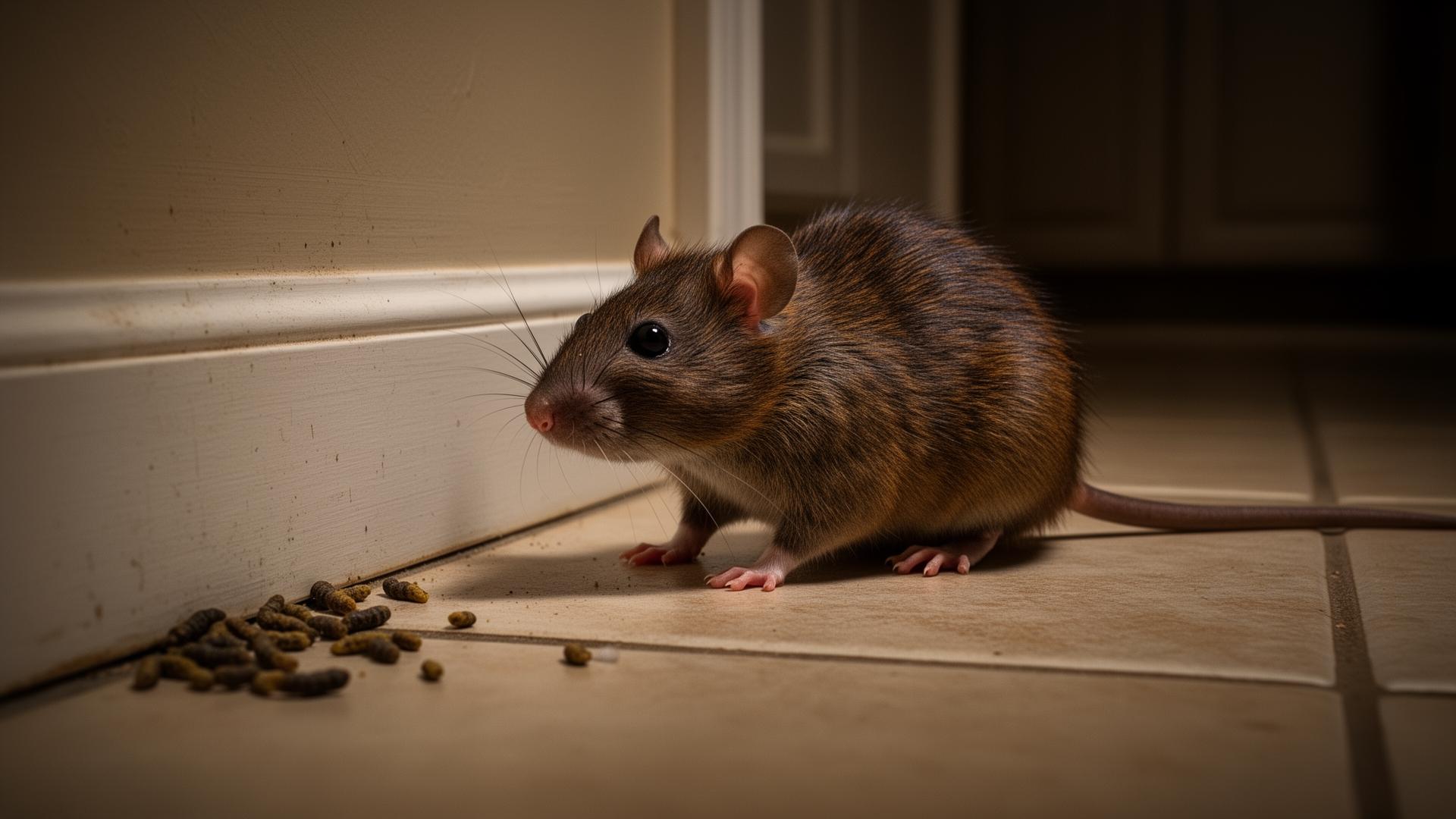
Understanding Mice Removal in Metro Atlanta
Mice are the most common wildlife intruder in Georgia homes — and the most deceptively dangerous. They're small, quiet (at first), and easy to dismiss as a 'minor' problem. But here's the reality: a single pair of mice can produce over 60 offspring in one year. By the time you're finding droppings in your kitchen drawers or hearing scratching in the walls at night, you're likely dealing with a much larger population than you think.
We've been doing this for over 15 years, and the one thing we see over and over is homeowners who tried to handle a mouse problem themselves for months — setting snap traps, plugging holes with steel wool, buying ultrasonic repellent devices from Amazon — before finally calling us. By that point, the attic insulation is contaminated, the HVAC ductwork is full of droppings, and there are entry points all around the house they never found. A homeowner in Peachtree City called us after catching 47 mice in snap traps over three months and still hearing scratching every night. We found 14 active entry points and a completely destroyed vapor barrier in the crawlspace.
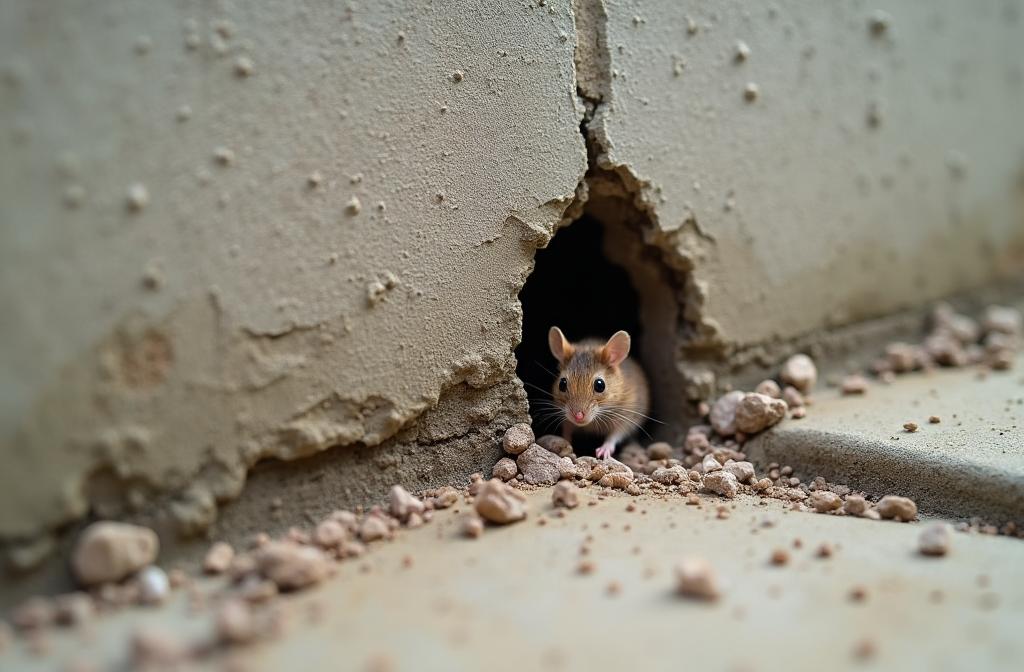
House mice can squeeze through gaps as small as a dime — that's about 6 millimeters. They enter through foundation cracks, gaps around pipes and utility lines, garage door seals, dryer vents, and dozens of other spots that most homeowners don't even know to check. And once they're in, they contaminate everything. Mouse urine and droppings carry hantavirus, salmonella, and leptospirosis. When dried droppings in your attic or wall cavities get disturbed — say, when your HVAC kicks on — those particles become airborne and circulate through your home. It's a serious health concern, especially for young children and elderly family members.
What To Do Right Now
Do This
- Call for an inspection immediately — mouse populations double every 30-45 days
- Store all food in sealed glass or hard plastic containers, including pet food
- Look for droppings along baseboards, under sinks, in cabinets, and in the garage
- Check your foundation perimeter for gaps around pipes, conduit, and utility penetrations
Don't Do This
- Do NOT rely on snap traps alone — they catch individual mice but don't address entry points or the colony
- Do NOT use poison if you have pets or small children — secondary poisoning is a real and serious risk
- Do NOT sweep up droppings without a respirator mask — hantavirus particles are dangerous when airborne
- Do NOT plug holes with steel wool only — mice can pull it out. Professional-grade materials are required
Is This Happening in Your Home?
Small rice-sized droppings in cabinets, drawers, or along baseboards
Scratching or scurrying sounds inside walls at night
Gnaw marks on food packaging, cardboard boxes, or wires
Nests made of shredded paper, insulation, or fabric in hidden areas
Musty odor from accumulated urine in wall cavities or attic
Dangers & Health Risks
Hantavirus
Mouse droppings and urine can carry hantavirus, which becomes airborne when disturbed and causes severe respiratory illness.
Salmonella & Leptospirosis
Mice contaminate food surfaces and preparation areas with bacteria from their droppings and urine.
Electrical Fire Risk
Mice constantly gnaw on electrical wiring — a leading cause of unexplained house fires in Georgia.
Rapid Reproduction
A single pair of mice can produce 60+ offspring per year. A small problem becomes an infestation in weeks.
How We Solve Your Mice Removal Problem
Every situation is different, but our proven process ensures a permanent solution — not a temporary fix.
Detailed Home Inspection
We inspect your entire home inside and out — foundation, roofline, attic, crawlspace, garage, and interior — to locate every entry point (gaps as small as a dime) and assess contamination.
Targeted Trapping & Monitoring
We deploy professional-grade traps in strategic locations based on activity patterns. We return for follow-up visits over 2-4 weeks to ensure complete elimination and monitor for new activity.
Permanent Exclusion & Cleanup
Every entry point is permanently sealed with galvanized steel, commercial sealants, and hardware cloth. We remove contaminated insulation, sanitize affected areas, and restore your home to a clean, safe condition.
Common in Metro Atlanta
House mice are the single most common wildlife intruder in Metro Atlanta homes. They're active year-round in Georgia's mild climate, though infestations spike in fall and early winter as mice seek warmth and food sources indoors. Homes with attached garages, crawlspaces, and older foundations are most vulnerable. We see especially heavy mouse activity in Cobb County, Douglas County, and across the west side of the metro — Douglasville, Villa Rica, Carrollton, and surrounding areas. Georgia has no 'off-season' for mice — they breed continuously in warm conditions.
Transparent Pricing, No Surprises
Most residential mice removal projects range from $500–$4,000+
Projects can range from $500 to over $4,000 depending on your home's size, roof slopes, roof condition, soffit and fascia, overall condition of the home, and any existing damage that should be repaired during the exclusion process. Free inspection included.
Frequently Asked Questions


Get Your Free Mice Removal Inspection
Get Your Free Inspection