
Understanding Rat Control in Metro Atlanta
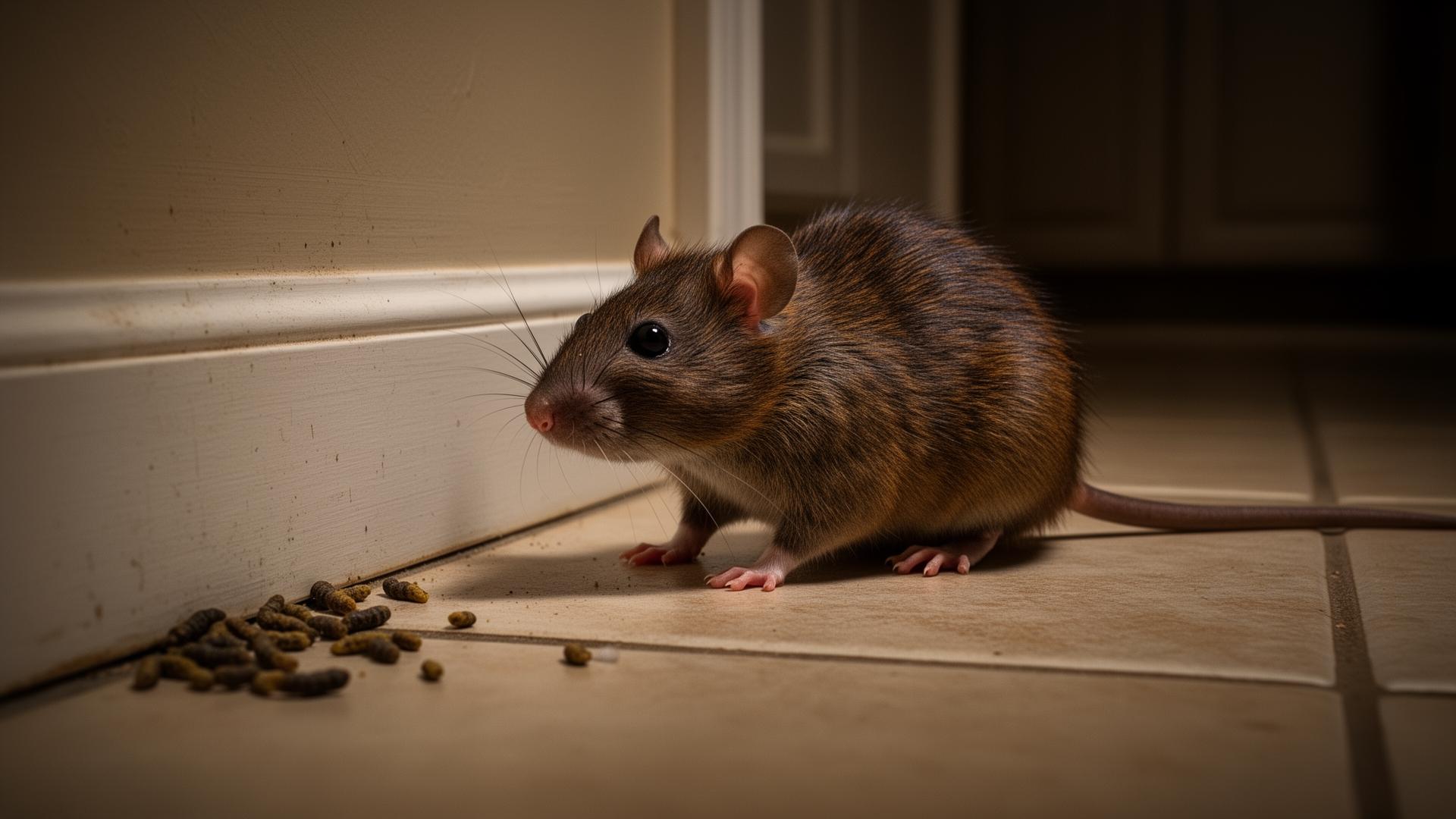
Rats are a different animal than mice — literally and in terms of the damage they cause. An adult Norway rat can weigh over a pound, gnaw through concrete, PVC pipe, and even aluminum, and produce up to 60 offspring per year. Roof rats are smaller but arguably worse for homeowners — they're excellent climbers, they live in your attic, and they're active at night when you're trying to sleep. If you're hearing heavy running or scratching in your ceiling at night, or finding large droppings (about the size of a raisin) along walls or in your attic, you have a rat problem.
We responded to a call in Sandy Springs where a homeowner had been hearing 'something running' in the ceiling for months. He'd set a few traps and caught two rats, so he figured the problem was solved. When we got into the attic, we found a colony of roof rats that had chewed through three sections of HVAC ductwork, gnawed wiring in multiple locations, and contaminated the entire attic with droppings and urine. The insulation was a biohazard. We ended up trapping 14 rats, sealing 9 entry points, replacing all the ductwork, and doing a full attic restoration. The lesson: rats are colony animals. If you catch one or two, there are always more.
Rats carry serious diseases — leptospirosis, rat-bite fever, salmonella, and plague (yes, it still exists). A single rat produces over 40 droppings per day and constantly dribbles urine as it moves. Within weeks of a rat infestation, your attic insulation becomes a biohazard. They also gnaw on electrical wiring compulsively — rat-chewed wires are a leading cause of unexplained house fires. If you have rats, this isn't a 'wait and see' situation. Every day you delay, the damage and health risks increase.
What To Do Right Now
Do This
- Call a professional immediately — rat infestations escalate fast and cause serious damage
- Identify the type of droppings: large raisin-sized = rats; small rice-sized = mice
- Trim tree branches away from your roof — roof rats use them as highways to your attic
- Secure all trash in bins with tight-fitting lids and remove outdoor pet food at night
Don't Do This
- Do NOT assume catching one rat means the problem is solved — rats are colony animals
- Do NOT use poison without professional placement — dead rats in walls create severe odor for weeks
- Do NOT seal entry points until all rats are confirmed out — trapped rats cause extreme damage trying to escape
- Do NOT handle dead rats or droppings without gloves and a mask — disease transmission is real
Is This Happening in Your Home?
Large droppings (½ inch) found along walls, in attics, or near food storage
Heavy gnawing damage to wood, plastic pipes, or electrical wiring
Grease marks or dark rub trails along baseboards and rafters
Burrowing activity around foundations, under decks, or near garbage areas
Sounds of running or scratching in attic or ceiling at night
Dangers & Health Risks
Disease Transmission
Rats carry leptospirosis, rat-bite fever, plague, and salmonella. Their urine and droppings contaminate living spaces and HVAC systems.
Structural Damage
Rats gnaw through wood framing, PVC pipes, concrete, and even aluminum. They cause water leaks, structural weakening, and HVAC failures.
Fire Hazard
Rat-chewed electrical wiring is a leading cause of attic and wall fires. Their gnawing on wires creates exposed conductors that spark.
Contamination
A single rat produces 40+ droppings per day and constantly dribbles urine. Attic insulation becomes a biohazard within weeks of a rat infestation.
How We Solve Your Rat Control Problem
Every situation is different, but our proven process ensures a permanent solution — not a temporary fix.
Species Identification & Entry Point Mapping
We determine whether you have Norway rats (ground-level, burrowing) or roof rats (attic-level, climbing) and map every entry point. The species dictates the entire removal strategy.
Professional Trapping & Elimination
We deploy tamper-resistant professional traps in strategic locations. For severe infestations, we use an integrated approach combining trapping with targeted, safely placed rodenticide stations.
Complete Exclusion & Contamination Cleanup
Every entry point is sealed with rat-proof materials — galvanized steel, concrete, and commercial sealants. We remove contaminated insulation, sanitize the space, and repair any damage to wiring, ductwork, or plumbing.
Common in Metro Atlanta
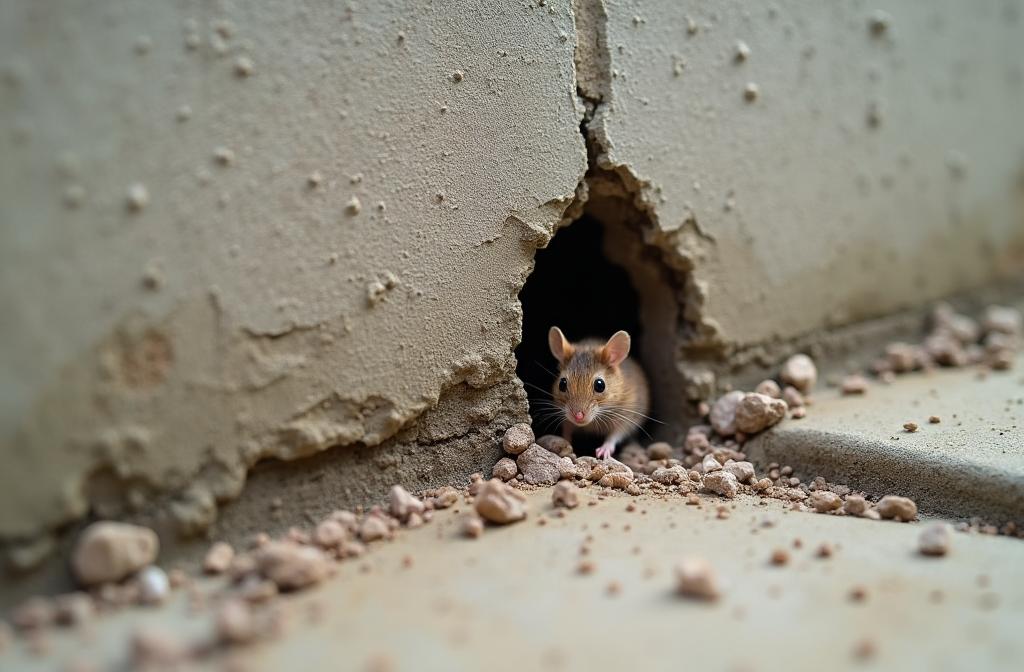
Metro Atlanta has two primary rat species. Norway rats (brown rats) are common near older foundations, sewer systems, and commercial areas — we see heavy activity in intown Atlanta, Decatur, and Smyrna. Roof rats prefer elevated spaces and are prevalent in neighborhoods with mature tree canopy — Buckhead, Brookhaven, Sandy Springs, Dunwoody, and East Cobb are hotspots. Roof rats access attics via overhanging tree branches, utility lines, and gaps at the roofline. Georgia's mild winters mean rats breed year-round, though activity spikes in fall as they seek shelter. Both species are incredibly resourceful — a rat can squeeze through a hole the size of a quarter.
Transparent Pricing, No Surprises
Most residential rat control projects range from $500–$4,000+
Projects can range from $500 to over $4,000 depending on your home's size, roof slopes, roof condition, soffit and fascia, overall condition of the home, and any existing damage that should be repaired during the exclusion process. Free inspection and detailed, itemized quote included.
Frequently Asked Questions
Get Your Free Rat Control Inspection
Get Your Free Inspection