Understanding Wildlife Exclusion in Metro Atlanta
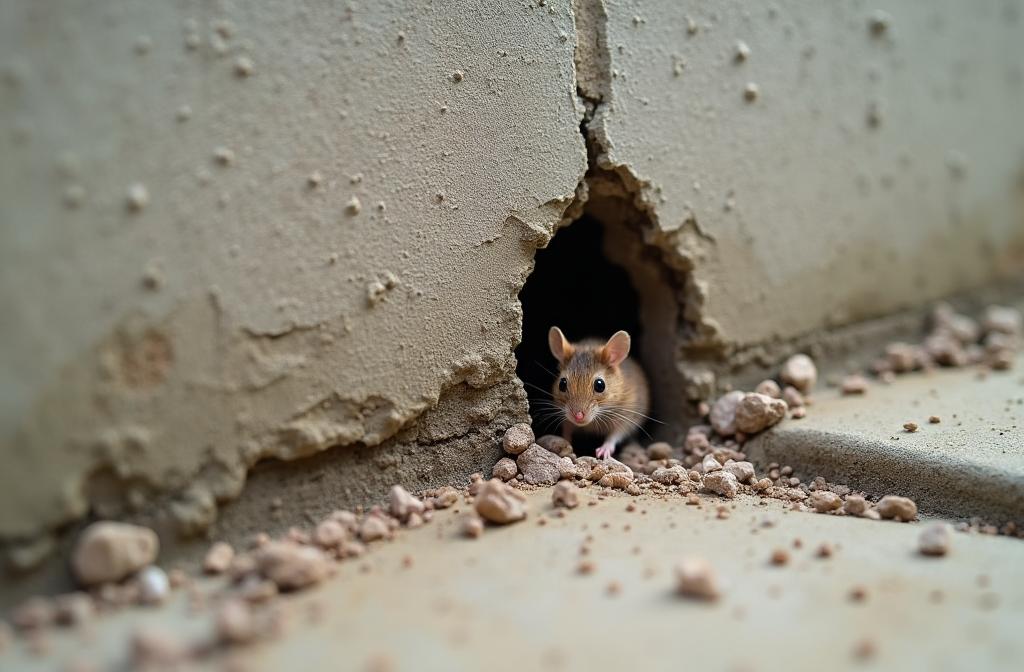
If there's one thing we've learned in 15+ years of wildlife removal across Metro Atlanta, it's this: trapping without exclusion is a waste of money. You can trap every squirrel, raccoon, and rat on your property, but if you don't seal the entry points, new animals will move in within weeks. Wildlife exclusion — the process of permanently sealing every potential entry point on your home's exterior — is the only way to truly solve a wildlife problem. It's not glamorous work, but it's the most important service we provide.
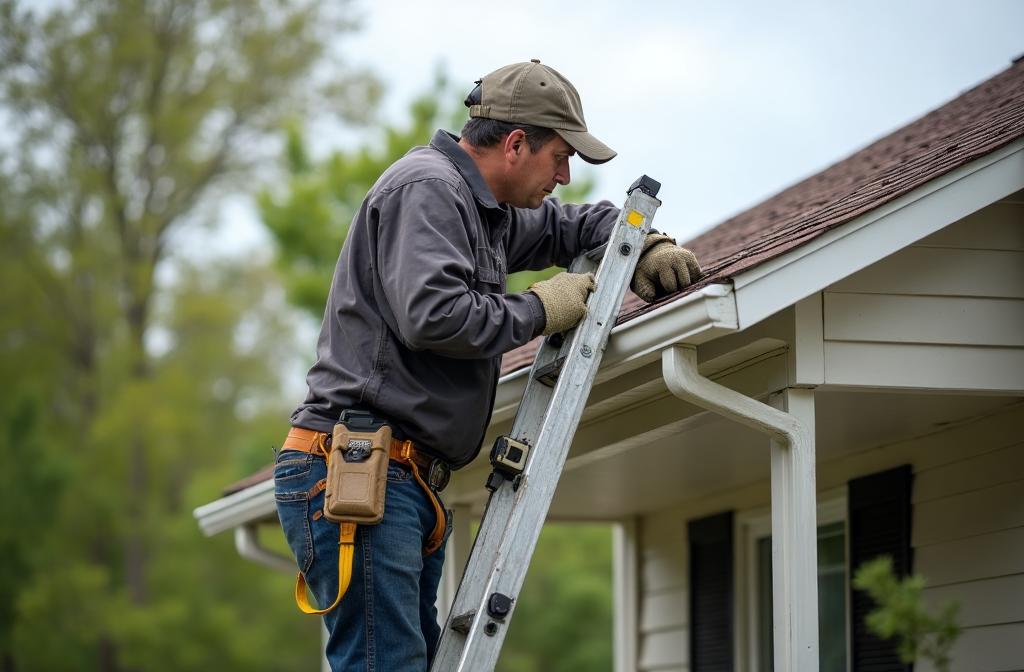
We get calls all the time from homeowners who've already paid another company to 'remove' animals from their attic. They'll tell us they paid $500-$1,000 for trapping, the company set some traps, caught a few animals, and left. Three months later, new animals are in the attic, and they're back to square one. The reason? The other company didn't do exclusion. They didn't crawl on the roof, inspect every soffit joint, check every gable vent, examine every pipe boot, or seal the 15-20 potential entry points that every home has. That's the difference between a short-term fix and a permanent solution.
Our exclusion work uses materials that animals cannot defeat — galvanized metal flashing, heavy-gauge steel screening, commercial construction sealants, and hardware cloth rated for wildlife resistance. We don't use foam, caulk, or plastic — animals chew right through them. Every exclusion project comes with a written guarantee: if an animal gets into your home through a sealed entry point, we come back at no charge. Our re-entry rate is virtually zero because we don't cut corners and we don't miss entry points.
What To Do Right Now
Do This
- Have a professional inspect your entire roofline, soffits, and foundation for potential entry points — even if you don't have an active problem
- Ask any wildlife removal company if exclusion is included in their service — if it's not, find one that includes it
- Request that all exclusion materials be wildlife-grade (galvanized metal, steel screening) — not foam or caulk
- Consider preventive exclusion if your home is near wooded areas, parks, or water — it's cheaper than removal + repair later
Don't Do This
- Do NOT seal entry points while animals are still inside — you'll trap them in your walls, creating much bigger problems
- Do NOT rely on foam, caulk, or plastic to keep animals out — they chew through all of them
- Do NOT assume that sealing one hole solves the problem — most homes have 10-20 potential entry points
- Do NOT hire a company that only traps and doesn't seal — you're paying for a temporary fix that guarantees repeat business for them
Is This Happening in Your Home?
Animals keep returning to your attic after previous removal attempts
Visible gaps, holes, or damage on soffits, fascia, or roofline
Previous company trapped animals but didn't seal entry points
Hearing new animal activity in attic or walls after a recent removal
Construction gaps at roofline intersections, pipe penetrations, or vent openings
Wanting to proactively protect your home before wildlife gets in
Dangers & Health Risks
Repeated Infestations
Without proper exclusion, new animals will find the same entry points within weeks. Each re-entry means more damage, more contamination, and more removal costs.
Cumulative Structural Damage
Every wildlife intrusion compounds structural damage — chewed wiring, torn insulation, damaged ductwork. Costs multiply with each incident.
Health Hazard Accumulation
Recurring wildlife means accumulating droppings, urine, and parasites that create ongoing health risks for your family.
Property Value Impact
Unresolved wildlife issues and visible entry point damage reduce your home's value and can complicate real estate transactions.
How We Solve Your Wildlife Exclusion Problem
Every situation is different, but our proven process ensures a permanent solution — not a temporary fix.
360° Home Inspection
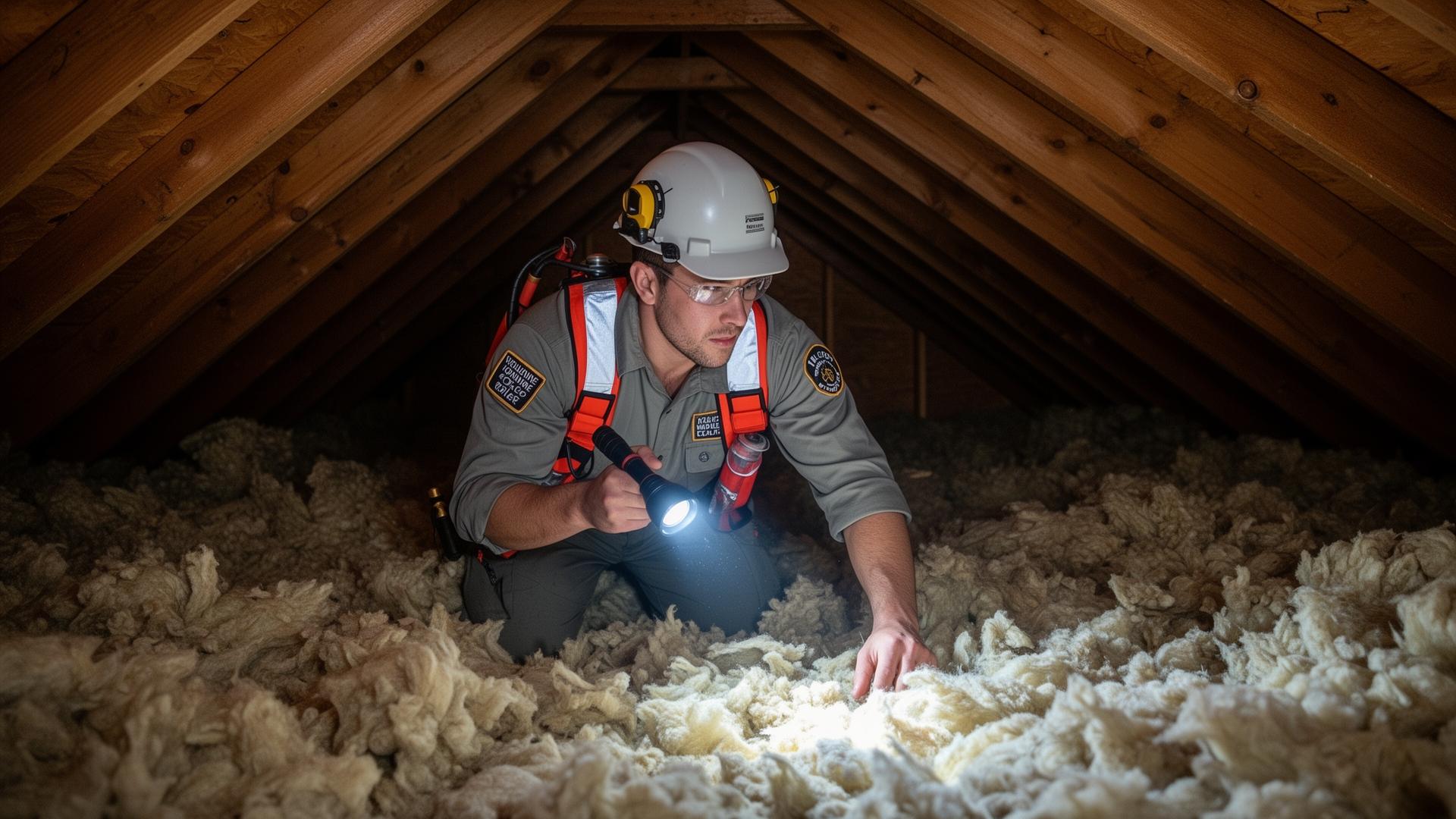
We inspect your entire home exterior — every soffit joint, gable vent, roofline intersection, pipe boot, foundation gap, and construction seam. We identify every existing and potential entry point, not just the obvious ones.
Strategic Exclusion with One-Way Devices
If animals are currently inside, we install one-way exclusion devices at active entry points to let them leave naturally. All other entry points are sealed immediately with wildlife-proof materials.
Permanent Seal-Out & Guarantee
Once all animals are confirmed out, the remaining one-way devices are removed and those final points are permanently sealed. Every project comes with a written guarantee — if animals re-enter through our work, we return at no charge.
Common in Metro Atlanta
Wildlife exclusion is the most requested service we provide across Metro Atlanta, because it's the only permanent solution. Homes in wooded neighborhoods — East Cobb, Roswell, Sandy Springs, Alpharetta, Peachtree City — are especially vulnerable due to heavy tree canopy that gives squirrels and raccoons easy roof access. Newer construction in Paulding, Douglas, and Henry counties often has gaps at roofline intersections and soffit joints that are invisible to homeowners but obvious to wildlife. Georgia's year-round mild climate means animals are always looking for shelter, so exclusion isn't seasonal — it's needed 365 days a year.
Transparent Pricing, No Surprises
Most residential wildlife exclusion projects range from $800–$3,000
Cost depends on home size, roofline complexity, and number of entry points. Exclusion is included with every wildlife removal service we provide — you never pay for removal without getting permanent protection. Standalone preventive exclusion is also available. Free inspection included.
Frequently Asked Questions
Related Articles
Get Your Free Wildlife Exclusion Inspection
Get Your Free Inspection